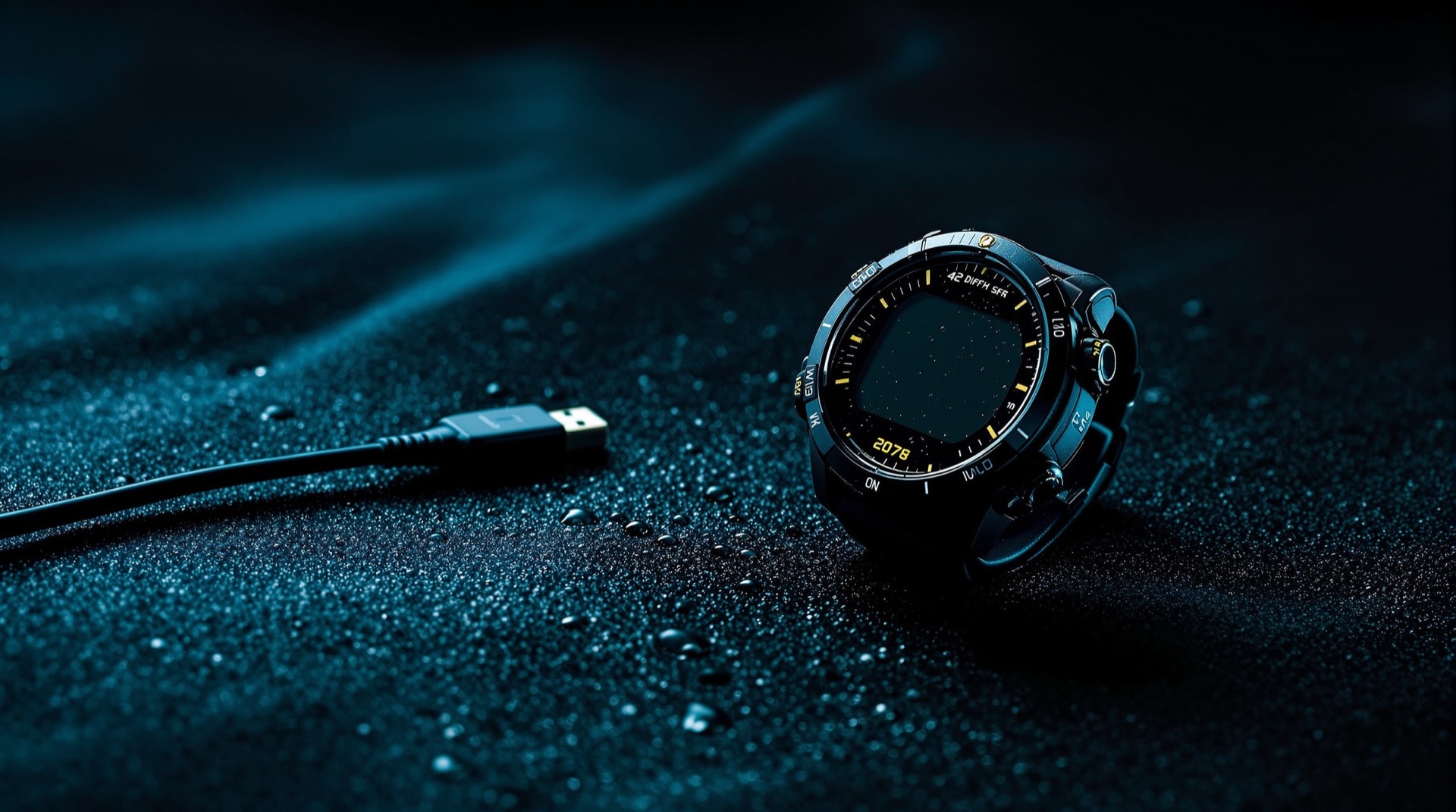
DCU was DreamDives' logbook data import platform for SharkPoint for Windows. The DCU programs were dive computer import modules: they read the log files a dive computer produced and brought the profiles into the SharkPoint logbook, so the numbers a diver had already recorded on their wrist did not have to be typed in again.
What it did
- Import dive computer logbook data within about three minutes.
- Complete profile transfer, based on the dive computer's direct and native log files rather than a re-keyed summary.
- Append to existing dives. Rather than creating duplicate entries, an imported profile could be attached to a dive already written up in the logbook — which is what a diver usually wants, because the profile is the one part of a dive they cannot reconstruct from memory but the buddy, the site and the conditions are the parts the computer knows nothing about.
- Selective import — bring in a chosen set of dives from the computer's data rather than everything on it.
- Onward sync to the handheld — imported profiles could be carried out to the PDA edition through DiveSync.
Why it was a separate module
Dive computer manufacturers each used their own log file layout, and there was no shared exchange format in common use at the time. That meant import could not be a single feature inside the logbook; it had to be a module written against a particular manufacturer's file format, and DCU was published as a set of them across both the 1.5 and 2.0 generations.
The situation has improved since — there is now more convergence on open exchange formats for dive data, and several current logbook programs read a wide range of computers directly. It has not gone away entirely, though, and checking whether a program can read your computer is still the first question to ask before committing a logbook to it. The file formats page goes into what this means for keeping a logbook readable over decades.
A note on what a profile is and is not
An imported profile is a record of a dive that has already happened: depth against time, as the computer sampled it. It is extremely useful for reviewing how a dive actually went against how it was planned, and for spotting habits — a consistently fast ascent, or more time at depth than intended.
It is not a planning tool and it is not a decompression calculation. Whatever a logbook displays afterwards, the dive computer on the wrist and the diver's own training remain the authority during the dive. The Divers Alert Network publishes the standing material on ascent rates, safety stops and decompression risk.
Availability
The DCU modules are no longer distributed. This page records what the platform did. See compatibility for the wider connection picture.